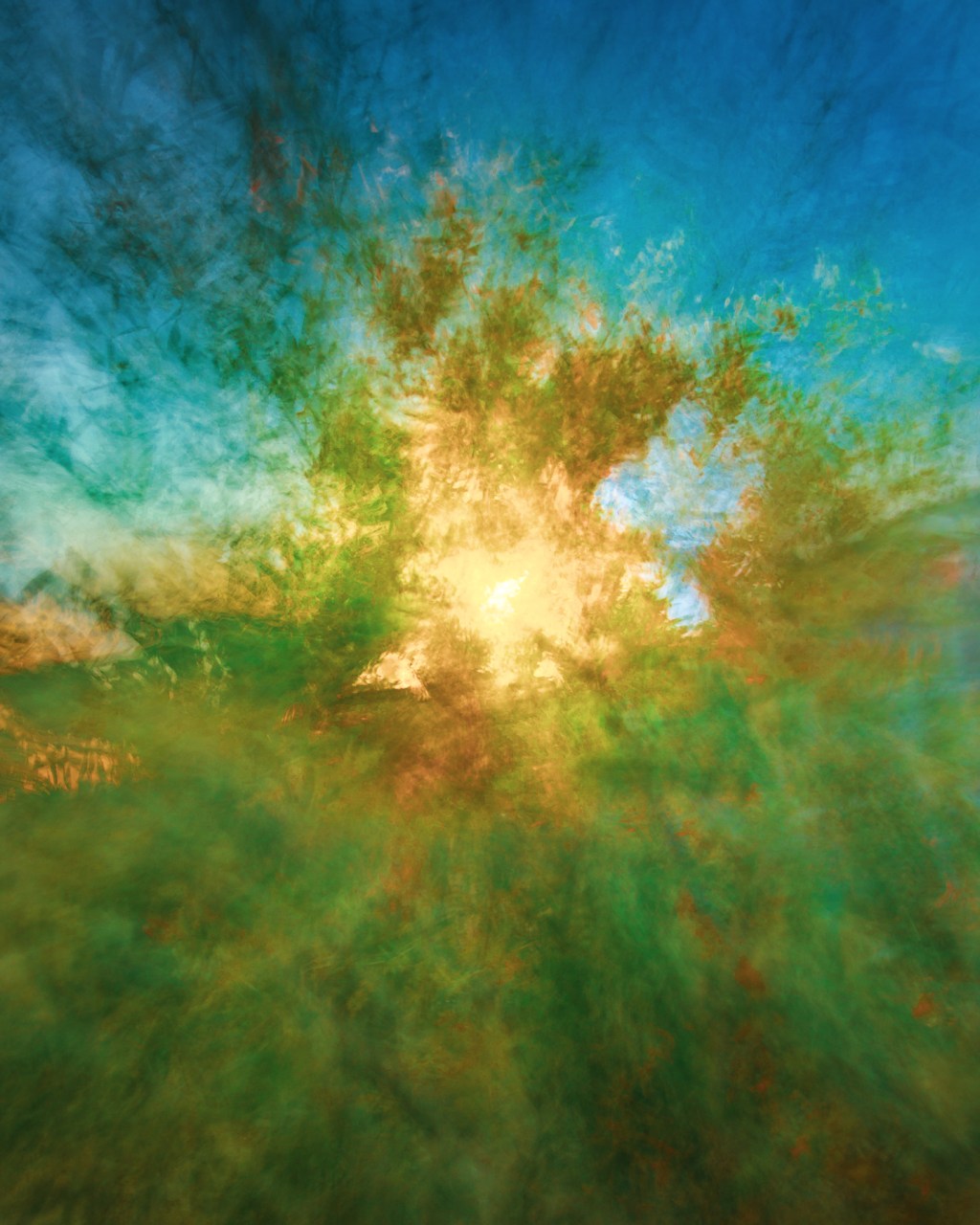
Most contemporary ICM photography has been shaped by a language of restraint — by the northern ideal of clarity, silence, and control. But the Mediterranean Baroque emerges from another light altogether: one that does not illuminate but ignites, one that turns matter into spirit. It is not a method but a temperament, a vision where passion, movement, and chromatic intensity replace serenity and minimal balance. This southern aesthetic stands on four foundations: golden light, chromatic intensity, energetic dynamism, and expressive abundance. Together, they form a solar language that seeks revelation through emotion and energy.

The first pillar, Golden Light, is the essence of the Mediterranean world. Here, light is not decoration but substance — a living material charged with faith and history. It carries the memory of the sun that burns above stone cities and ancient seas. Every exposure becomes an act of transformation: the conversion of radiance into meaning. The tones of gold, amber, and fire dominate not for their beauty but for their spiritual charge. This light is the last form of belief — not divine by religion, but divine by intensity. In it lives the paradox of the Baroque: ecstasy and danger, revelation and blindness. Where the northern eye records, the southern one venerates.

The second pillar, Chromatic Intensity, gives color the role of emotional grammar. In the Mediterranean Baroque, color is never neutral; it speaks before form does. Blues vibrate against oranges, violets collide with golds, and complementary tones coexist in tension, creating harmony through conflict. Each hue is pushed to the edge of saturation without dissolving into chaos. This intensity is not born in post-production but in perception. To see the Mediterranean light is to feel it. The Baroque eye accepts excess as truth — the notion that only through passion can beauty reveal itself. Color becomes melody, a structure built not on tones but on temperature. In this way, the chromatic field replaces the horizon, and emotion becomes the geography of the image.

The third pillar, Energetic Dynamism, rejects stillness. The Baroque Mediterranean speaks through movement — through diagonals, vibrations, and currents that travel across the frame like wind through cloth. Long-exposure movement is not used to soften the image but to electrify it, turning space into vibration. The camera is not a passive observer but a participant, advancing and breathing with the rhythm of the scene. This is the essence of the Long-Exposure Travelling ICM: a dance between precision and surrender, between body and landscape. The gesture is deliberate yet organic, human yet transcendent. Each trace of motion holds tension — the moment before collapse, when control and emotion coexist. In this dynamism lies the southern pulse: passion that never rests, creation that never repeats.
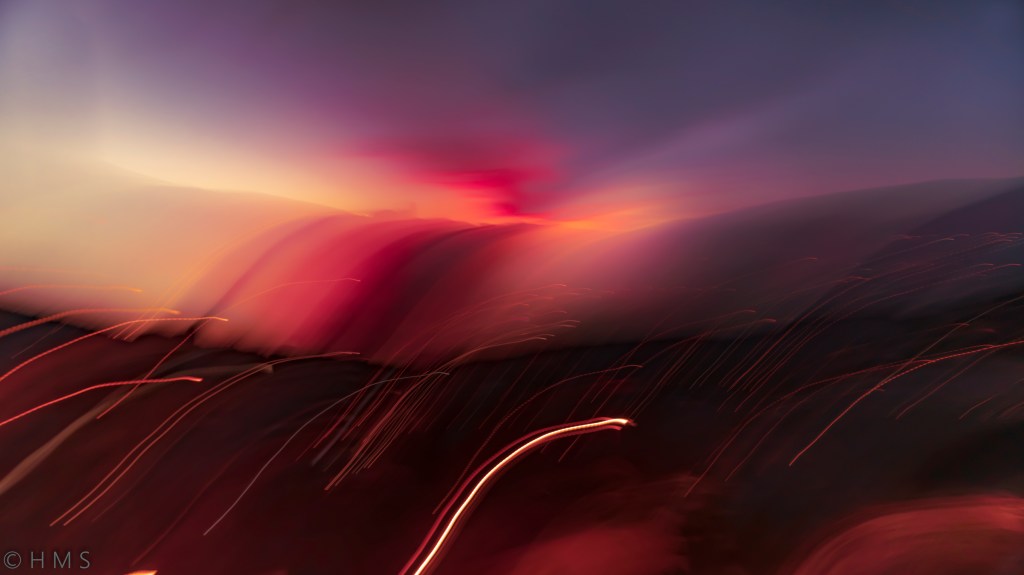
The fourth pillar, Expressive Abundance, stands in open contrast to minimalism. Where minimalism seeks absence, the Mediterranean Baroque seeks presence — fullness instead of silence. It refuses the void and embraces complexity, density, and the coexistence of multiple gestures. Its expression is layered, vibrant, and overflowing, not because it lacks discipline, but because it affirms life in its totality. The image becomes a theatre of light, a convergence of intensity and structure. In this vision, abundance is not excess but testimony: the record of civilizations built on faith, emotion, and energy. The minimalist says “less is more”; the Mediterranean Baroque answers, “more is alive.”
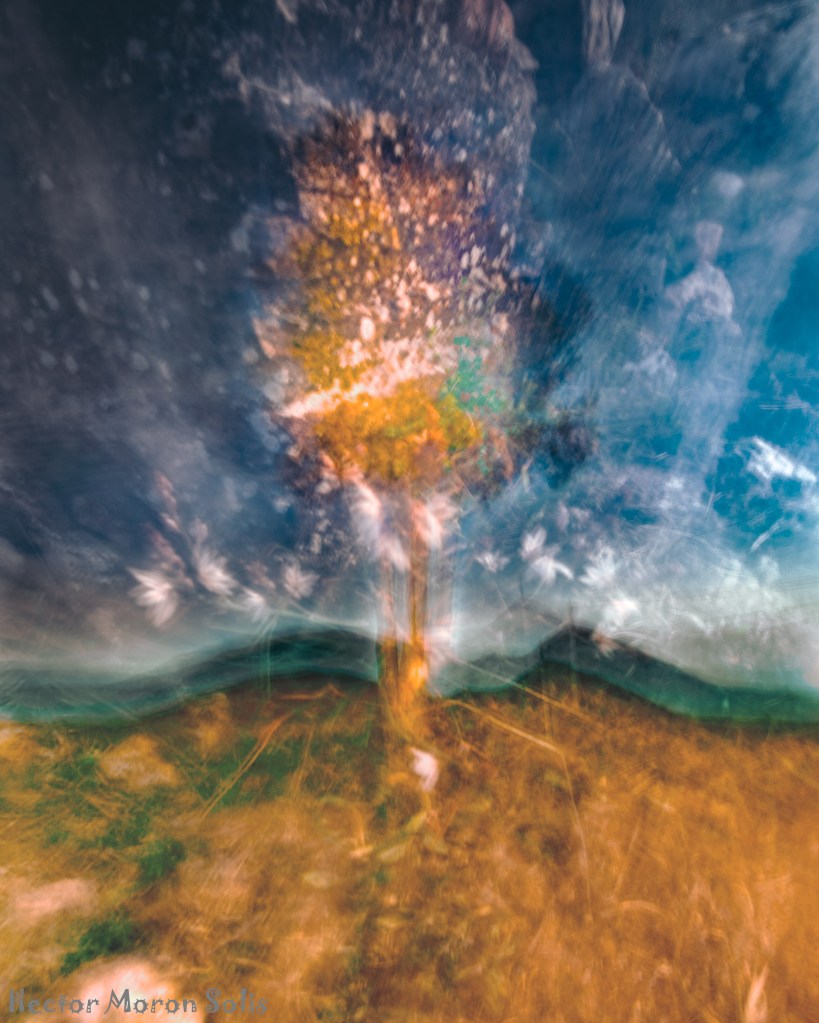
The Mediterranean Baroque is not nostalgia; it is inheritance. It carries the luminous fire of Sorolla, the visionary skies of El Greco, the dramatic shadows of Caravaggio, and the expressionist fervor of modern abstraction. It continues a southern lineage where art is not about control but revelation. Photography, within this lineage, becomes a solar act — a dialogue between energy and emotion, between the physical gesture and the divine intensity of light. It is a southern declaration that passion and transcendence still belong to art, and that within the blaze of the sun, the camera can still find faith.

Leave a comment