
Color, Light and Form — a Journey through Abstract Landscapes and Atmospheric Visions.
In the realm of abstract fine art photography, everything begins with light — not as illumination, but as substance. Color becomes a physical presence, and the landscape dissolves into rhythm and emotion. These images are not about what we see, but about how perception itself transforms when the visible world turns fluid and luminous. Through harmony, contrast and texture, each composition invites the viewer to inhabit a space of pure visual poetry.
Light and Color as Structure
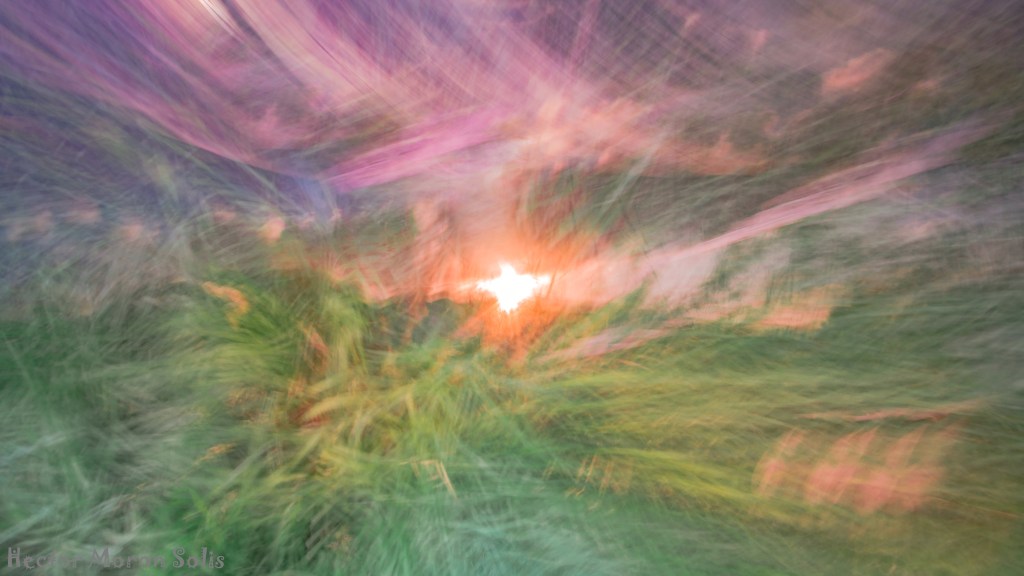
Light is the architecture of abstraction. In this series, it flows across the frame like a living element — shaping forms, softening edges, defining invisible boundaries. Every hue breathes within another, creating transitions that feel like the movement of thought itself. The warm spectrum of golds, reds and ambers evokes energy and creation; the cool blues and violets dissolve into reflection and calm. What emerges is not a depiction of the world, but an encounter with color and form as emotional states.
Here, the geometry of composition gives way to rhythm: a balance between tension and stillness, brightness and silence. The eye follows traces of light as it would follow the echo of a melody — discovering variations, pauses, and moments of resonance. This is abstract photography as meditation: a visual language made of atmosphere and vibration rather than description.

Nature Reduced to Essence
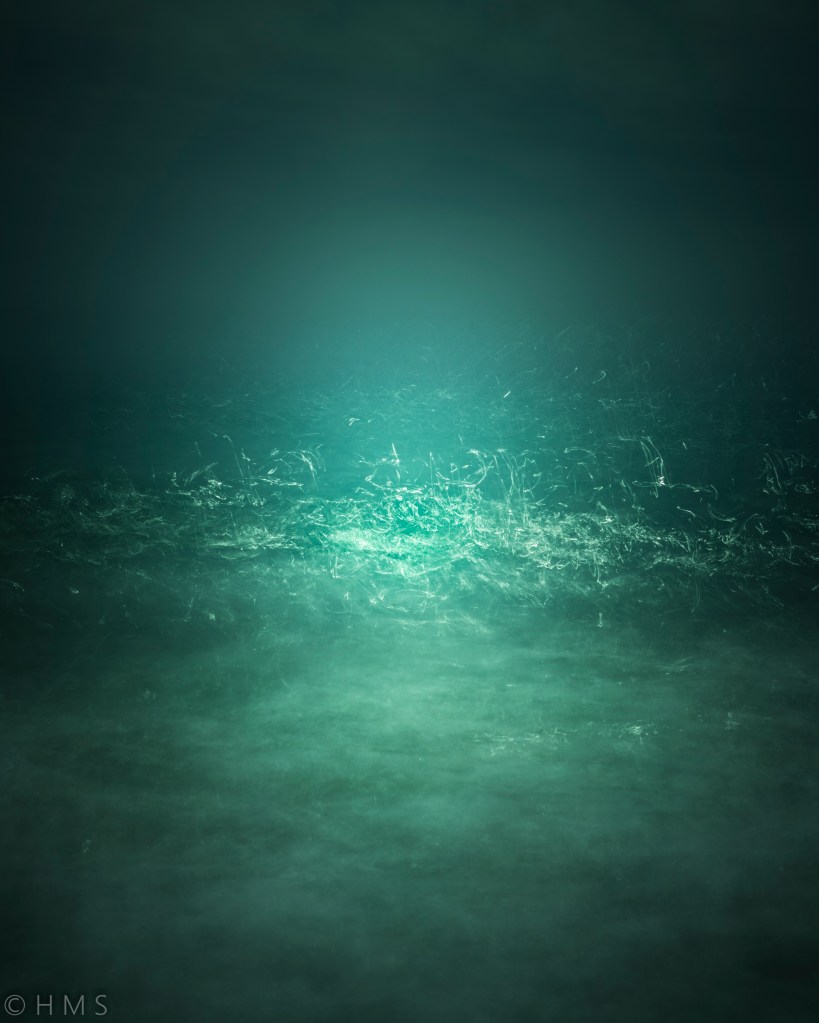
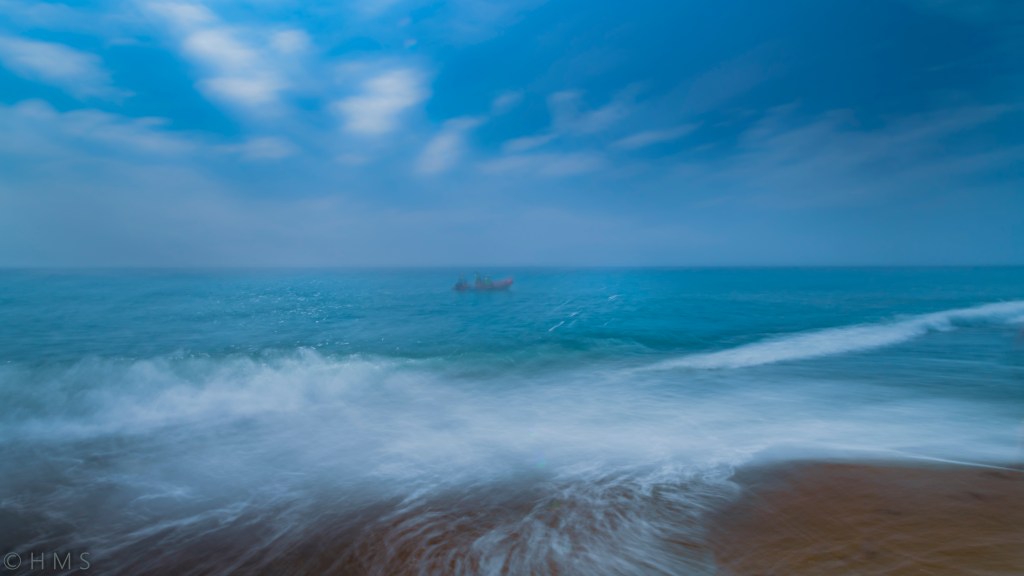
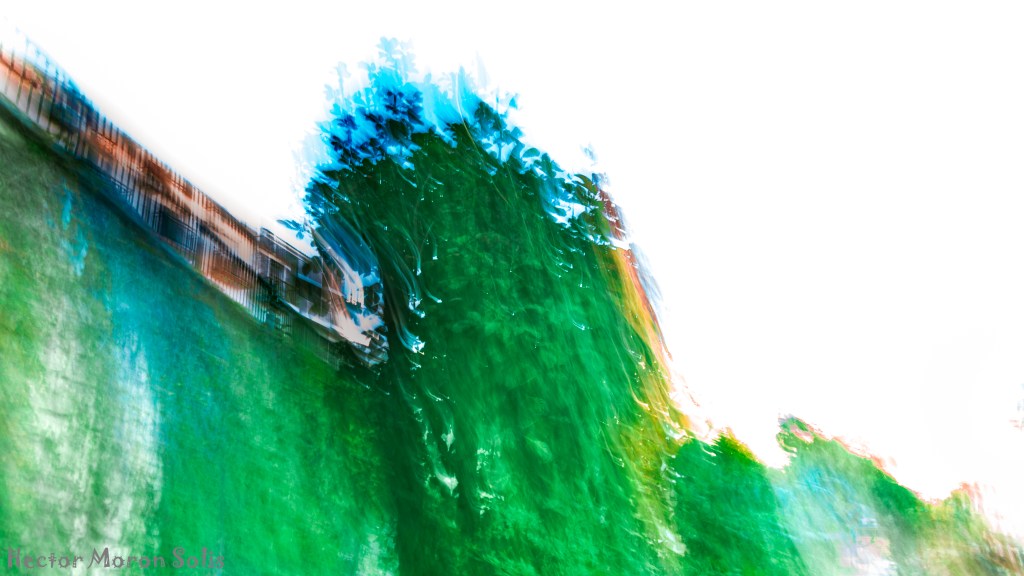
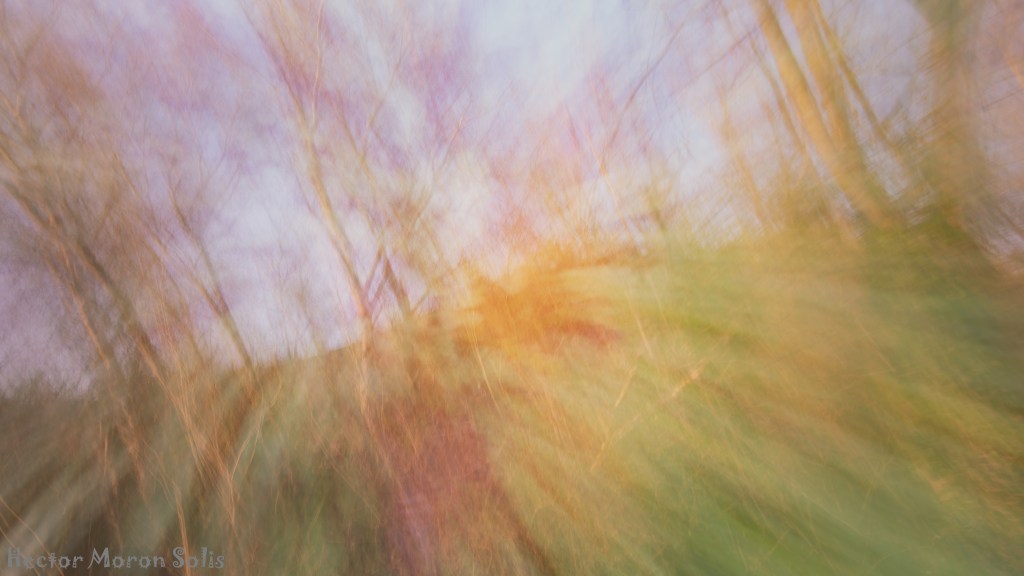
The natural world is never absent; it simply transforms. Mountains, trees, and seas dissolve into gestures of tone and luminosity, becoming abstract landscapes that retain the memory of their origin. In these photographs, nature is both the source and the metaphor — a reminder that all form hides a deeper harmony. The sea becomes a field of color, an infinite gradient between energy and stillness. Forests turn into vertical harmonies of light, where gold and green ascend like silent music. The horizon disappears, yet its presence can still be felt as an invisible line connecting sky and memory. Each image is a fragment of that universal rhythm — the pulse between matter and perception that defines fine art abstraction.
Atmosphere, Memory, and Emotion
Abstract photography does not seek to reproduce reality; it seeks to distill it. What remains after the external world dissolves is emotion itself — an afterimage, a trace of sensation. In these works, the atmosphere becomes tangible, like the lingering echo of a dream. Every composition suggests both presence and disappearance, permanence and change. The viewer is invited to interpret freely: a sunrise may feel like a memory, a shadow may evoke movement, a color may recall sound. The abstraction allows for multiplicity — every gaze constructs its own version of the image. Through this openness, the photograph transcends the act of representation and becomes a mirror of perception.

Geometry of Silence
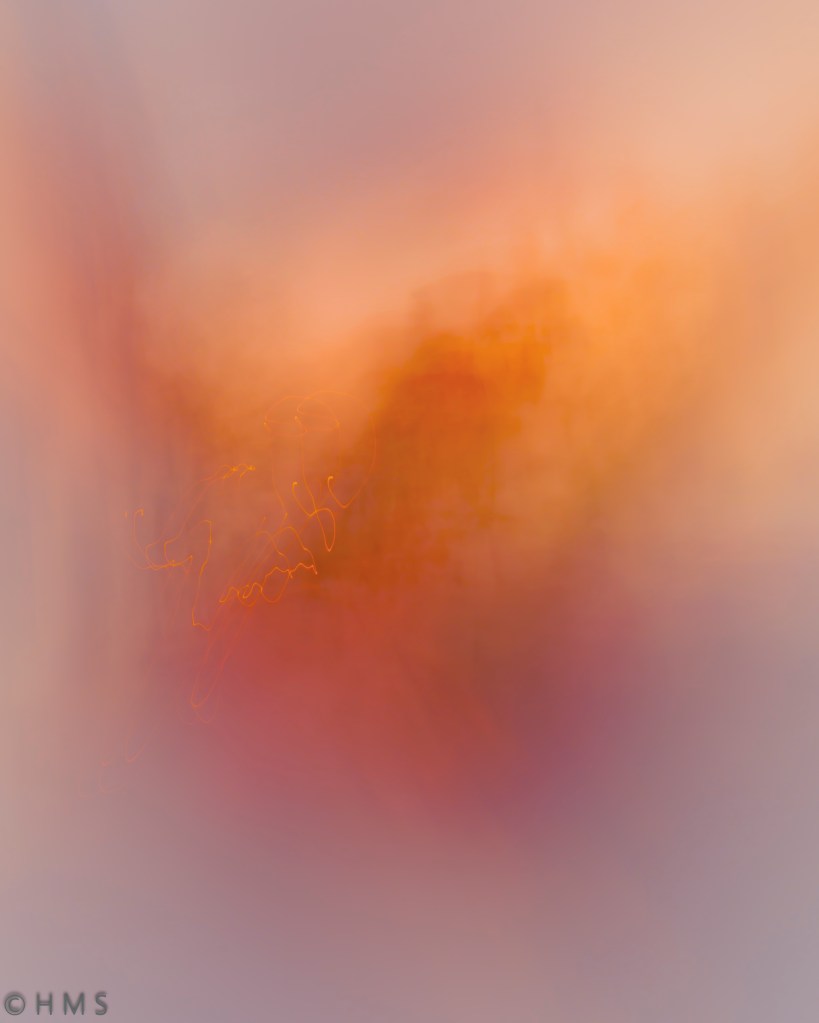
Underlying every piece lies a structure, a geometry of balance and restraint. Even in its most fluid moments, this work respects proportion and rhythm. Lines of energy cross the frame with quiet precision; tonal fields expand and contract like breathing. The simplicity of composition — one curve, one diagonal, one luminous core — reveals that abstraction is not chaos, but order rediscovered through emotion. This geometry of silence is what transforms visual impression into art. It is the meeting point between control and intuition, clarity and mystery. Through this equilibrium, the photographs acquire an almost musical quality: a cadence of light that unfolds slowly, inviting contemplation rather than recognition.
A Vision of Abstract Light
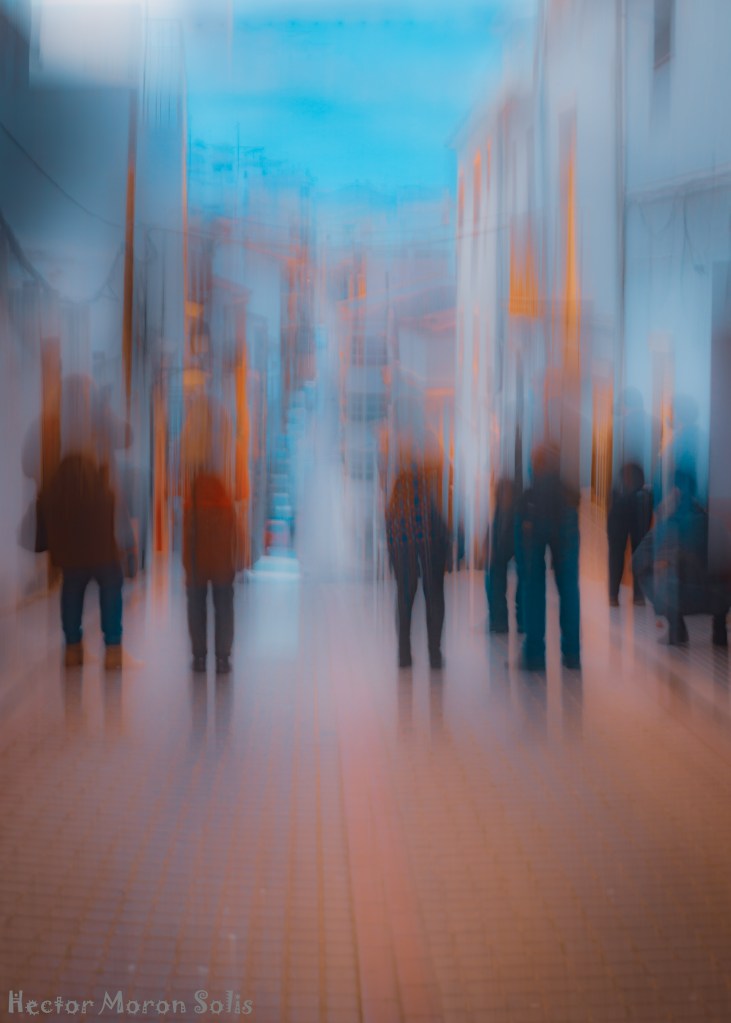
To photograph light is to photograph consciousness. In these works, light is not tool but subject, the very essence of form. It becomes a symbol of perception, of the passage between inner and outer worlds. Each image captures a different state of illumination — fire, dusk, radiance, reflection — and turns it into metaphor. This approach aligns with the tradition of abstract fine art photography, yet carries its own Mediterranean warmth: an intensity of color that belongs to the southern light, expressive and emotional. It is abstraction not of distance, but of presence — a celebration of the world’s vibrancy and mystery.

Conclusion
Each photograph is a meditation on transformation. What begins as landscape becomes pure emotion; what starts as color becomes thought. Together, these images form a visual essay on perception itself — on how light, shape and memory converge to reveal something beyond the visible. In this sense, abstract fine art photography is not an escape from reality, but a deeper encounter with it: the discovery of beauty in its most essential form.

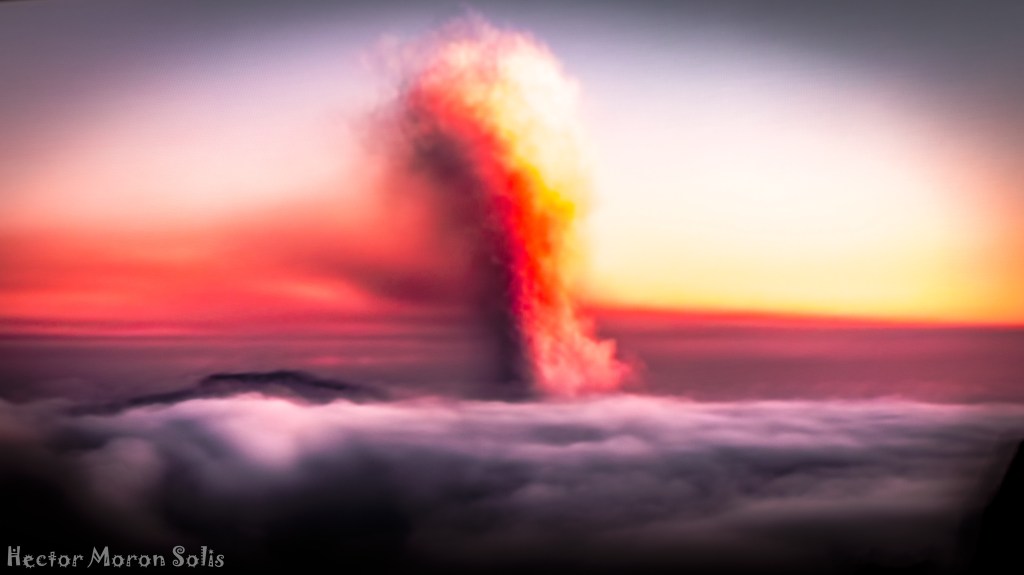
(First Gases)

Leave a comment