The Eden Tree Cycle explores the eternal struggle between light and darkness, creation and destruction, hope and despair. At its center stands the tree — a metaphor for the original Tree of Eden, the symbol of both temptation and salvation. Each work presents the tree as more than a simple form of nature: it becomes a guardian, a witness, and finally a victor in the battle between good and evil. Around it, the world burns or fades into shadow, yet the tree resists with luminous strength, its aura glowing in tones of gold and green.
The Eden Tree Cycle defines one of the core ideas of Allegorical Abstractionism: the reconciliation of nature and spirit through light. Each image transforms the tree into an archetype — a living axis between earth and heaven. These images are not only landscapes but allegories. They ask whether light can endure when surrounded by overwhelming darkness, whether nature can still rise against human-made ruin, and whether hope can survive where destruction seems to prevail. The Eden Tree reminds us that even in the deepest night, the possibility of renewal persists. Its roots are in the earth, but its force belongs to the realm of spirit — a living bridge between what is lost and what can still be saved.
Carousel

The first image of the Eden Tree Series sets the foundation: a vision of balance and wholeness. The tree rises in the foreground, stable and luminous, standing in harmony with the sky above. Its presence feels iconic, almost archetypal — not merely a tree, but the symbol of nature’s equilibrium.
The steps leading toward it remind us that harmony is not effortless: to reach what is good and true requires sacrifice, work, and perseverance. Light and shadow are held in tension without conflict, while tones of green and gold flow with quiet contrast, suggesting a world where creation is at peace with itself. The image evokes stability and timeless continuity, as if we are seeing the tree of origin — unbroken, still standing in plenitude, yet reminding us that every ascent toward balance is a path we must climb.

In Eden Tree II, the tree has grown immense — larger than life, reaching toward a prodigious sky. Surrounded by clouds, it dominates the frame with an almost mythic presence, as if it were striving endlessly upward.
Yet this grandeur carries a hidden tension: growth without measure becomes imbalance. The tree’s ambition, its hunger for more and more, reflects humanity’s own restless desire to expand. For now, no harm has come — the scene feels triumphant, even majestic — but beneath the surface lies a warning.This is the most epic of the four, evoking awe and reverence. The image suggests that beauty and excess can exist together, but it leaves us to wonder how long such magnificence can remain in harmony before tipping into destruction.

In Eden Tree III, darkness has entered. The blue sky has collapsed into shadow, swallowing the upper world. Against this vast void, the tree appears smaller, fragile — yet it burns brighter, as if refusing to be extinguished.
The scene is harsher, stripped of harmony. Every contrast is sharper: light against blackness, gold against void. Here the balance is broken, and the struggle of nature against darkness becomes explicit. The image reminds us that greatness is not always found in size or dominance, but in the persistence to resist, however small. This work evokes resilience — the sense that even when the world is overturned and the sky itself turns hostile, a spark of life can still shine defiantly.
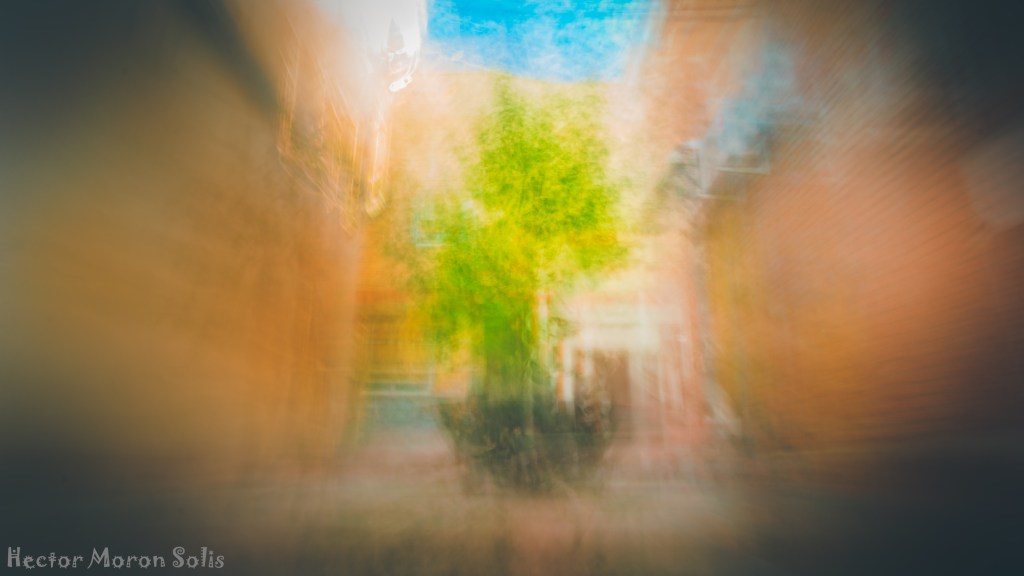
In Eden Tree IV, the tree has finally prevailed. Light returns, the atmosphere softens, and balance is restored — yet it is not the same balance we saw in the beginning. The tree now carries the weight of its struggle, marked by the darkness it has endured.
This is no longer innocence but resilience: harmony reclaimed, not given. The softened tones and luminous aura speak of renewal, but also of transformation. Victory here is quiet, contemplative, less about triumph than about survival and wisdom. The image evokes the truth that after conflict, nothing returns unchanged. What endures is not what once was, but what has been remade through resistance.
Explore related series:
Eden Tree Cycle: Capturing Nature’s Myth (Post)→
