Integration, not division
In recent decades, art has often chosen the language of confrontation —a mirror of political or moral conflict. Yet the essence of creation lies not in dividing but in connecting. Abstract Photography, when stripped of rhetoric, reminds us of this forgotten truth: that every act of vision is a bridge between the inner and the outer world. To photograph is to reconcile consciousness with the living world. We cannot protect nature without understanding ourselves, and we cannot speak of beauty if we deny complexity. The abstract image does not accuse or defend —it unites. It reveals that the world, even when fragmented, still vibrates with coherence. In this sense, the photograph becomes a gesture of reconciliation: a place where form and feeling learn again to coexist.

Technology and consciousness
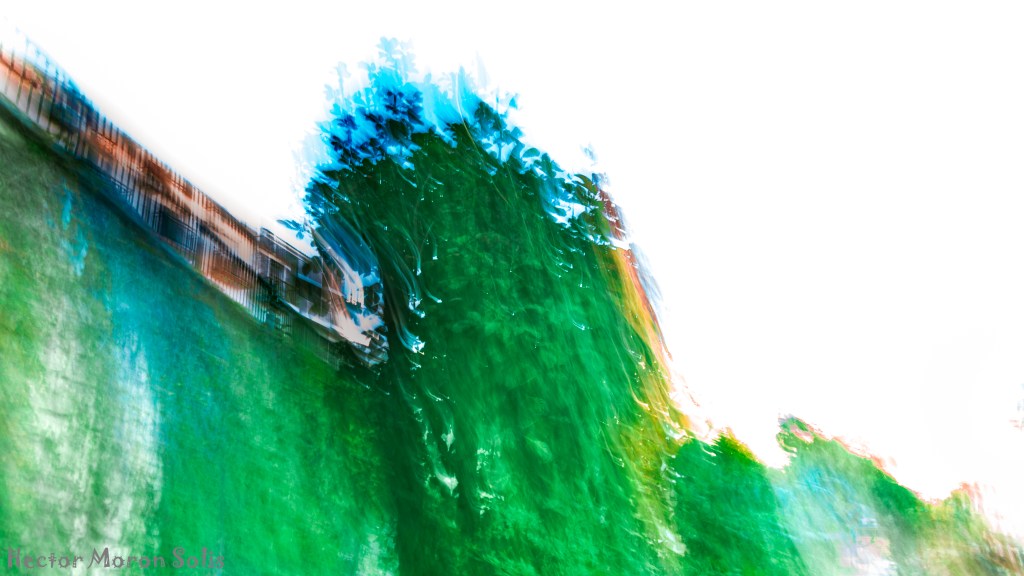
Technology has long been seen as the opposite of spirit, a mechanical extension without soul. Yet this is a misunderstanding. The camera, the lens, and time itself are instruments of perception, not barriers to it. In Abstract Photography, they become participants in an act of awareness. Light enters the sensor as thought enters the mind —not as command, but as dialogue. The photographer moves through space in what could be called compositional movement: not a gesture of spontaneity, but a deliberate choreography of perception. Each exposure is a passage through time, a recording of the invisible rhythm between matter and mind. What emerges is not documentation but resonance: a visible echo of consciousness itself.
Freedom without dogma
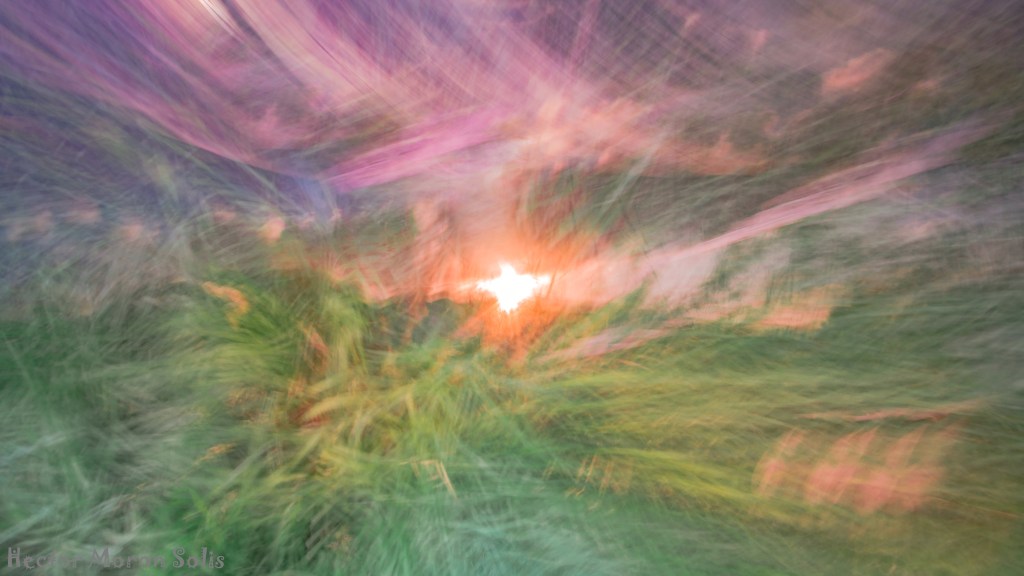
Every era tries to domesticate art by turning it into a tool for its own narratives —religious, political, moral, or commercial. But true abstraction escapes such cages. It speaks in a language that cannot be owned, because it is the language of perception before ideology. Abstract Photography is not a movement of rebellion; it is a movement of lucidity. Its freedom lies not in shouting, but in seeing. To photograph freely is to let light and time coexist without prejudice, to accept beauty as a form of understanding rather than as a form of escape. This kind of art does not persuade —it invites. It asks nothing from the viewer except the courage to feel.
A universal humanism
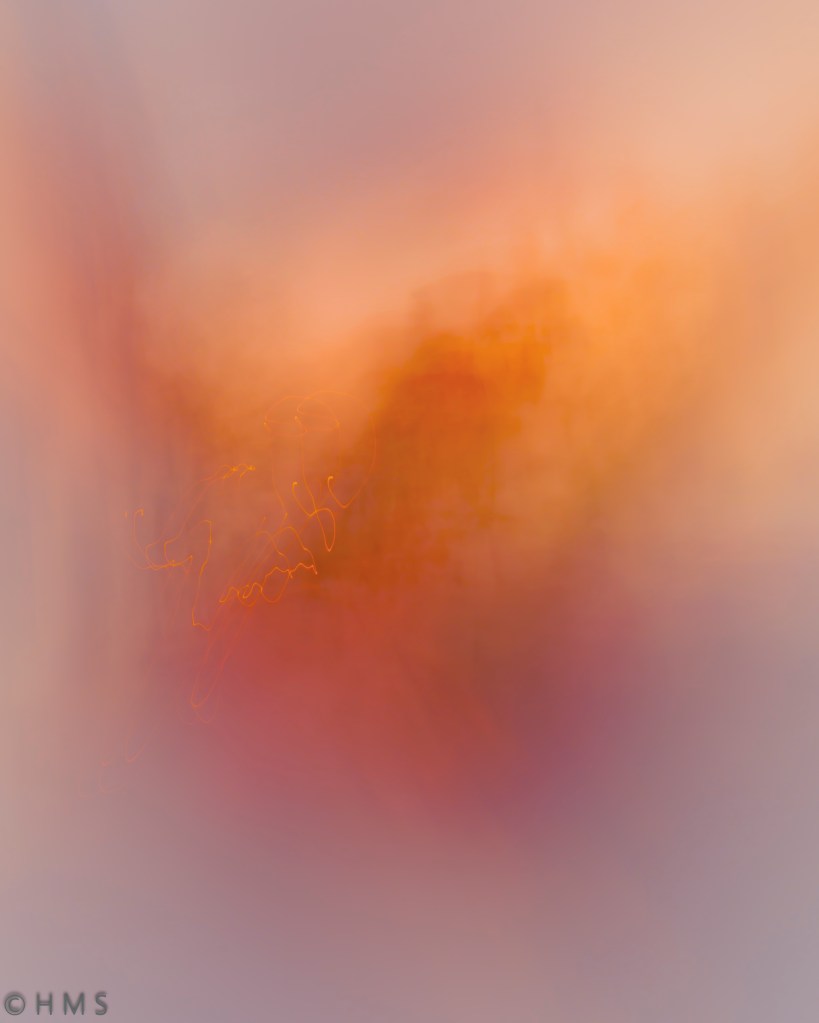
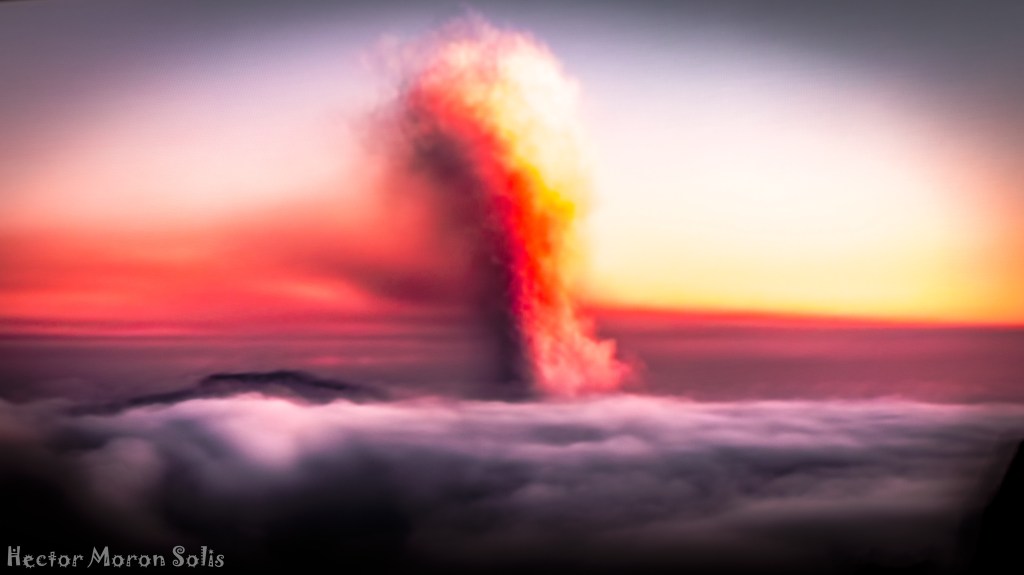
There are no borders in light. Abstract Photography is born from this universality: it transcends geography, belief, and language, speaking directly to what is shared in all human perception. Every culture recognizes the cycle of brightness and shadow, of creation and decay. The abstract image condenses these eternal opposites into a single moment of equilibrium. To photograph a volcano, a field, or a wave of air is to record not a place, but a state of being. What we call “subject” becomes metaphor —a reminder that existence itself is rhythmic and impermanent. In this sense, Abstract Photography restores to the visual arts something that modernity had forgotten: a sense of belonging to the universal pulse of life.
Spirituality as attention
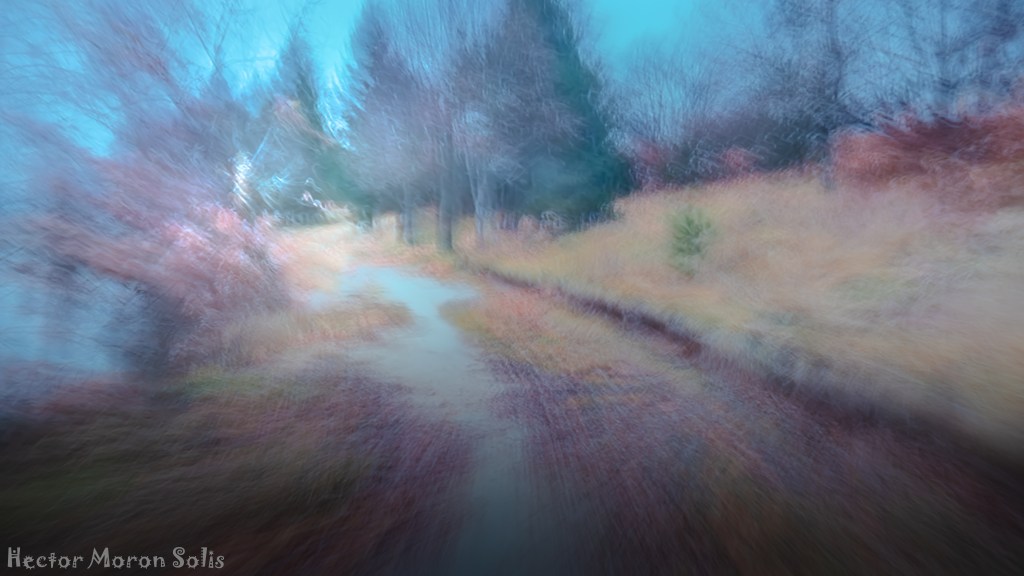
The spirituality of art does not require temples. It begins in attention —in the discipline of seeing without haste. When the camera follows the slow movement of light through forest, air, or water, it records not only what is visible, but the act of perception itself. That is where the sacred resides: not in symbols, but in presence. This attentive gaze is a kind of mental ecology. It heals the disconnection between thought and sensation, restoring a harmony that modern life constantly fractures. In this attentive silence, the image becomes more than an object; it becomes a mirror for consciousness. Every viewer who contemplates it participates in that same act of seeing —a communion of awareness through light.
The equilibrium as the future
The contemporary world oscillates between excess and emptiness, between noise and absence. Abstract Photography proposes another path —that of equilibrium. It reminds us that emotion and intellect are not enemies, that beauty is not a luxury, and that light still carries knowledge. In this vision, photography is not an imitation of reality but its transfiguration. It no longer reflects appearances; it reflects consciousness. It does not tell us what to think —it reminds us how to see. The luminous humanism of Abstract Photography thus becomes a quiet form of resistance:
an art that believes in the intelligence of perception, in the dignity of emotion, and in the infinite capacity of light to reveal meaning without words.

Leave a comment