Introduction
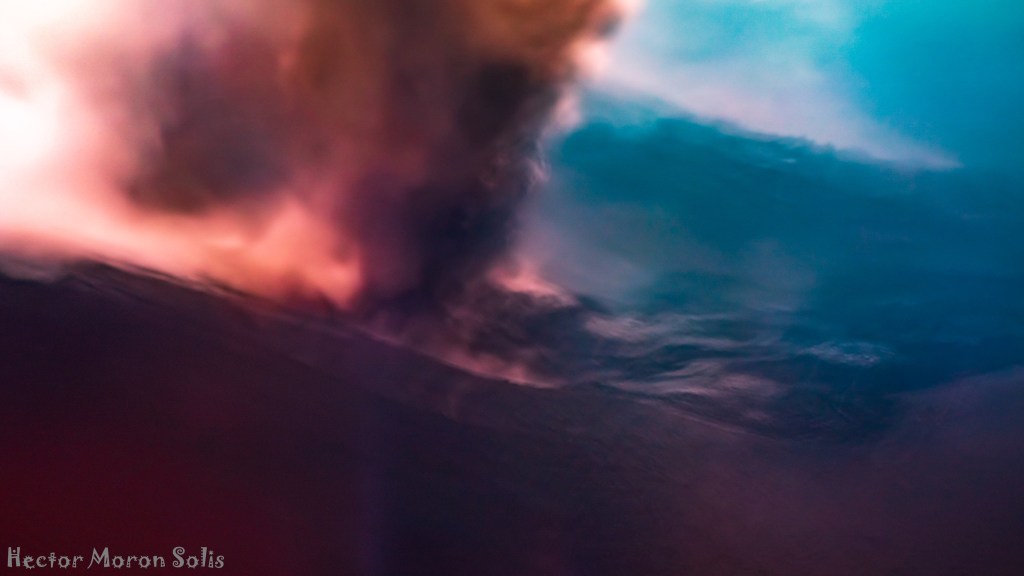
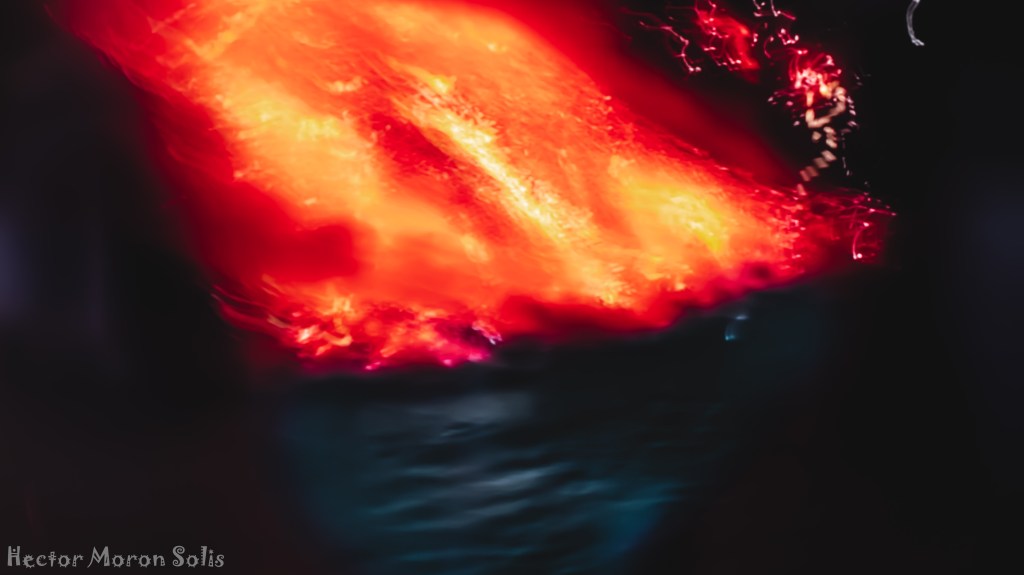
Transductive Photography defines a new approach within contemporary abstraction: a method where light itself becomes both subject and material. Instead of recording the visible world, the camera captures the luminous flux of pre-existing digital motion —the glow of a screen, the rhythm of pixels, the pulse of a mediated event— and transforms it into a physical image through long exposure and controlled movement. This transforms a video into a long exposure photograph and camera movement through human action.
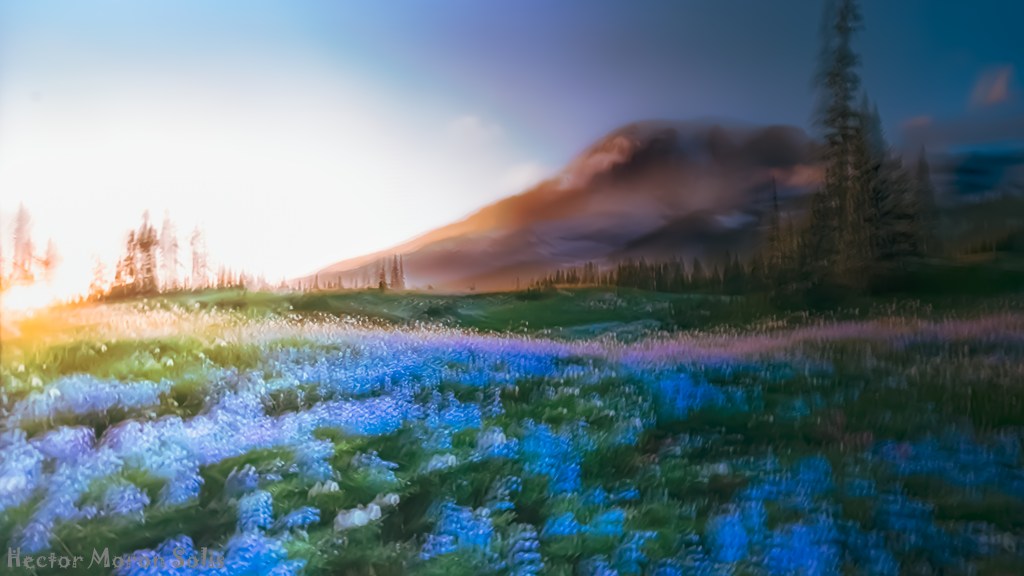
This process converts time into gesture and mediation into matter. The resulting image is not a reproduction but a transmutation: a digital phenomenon reborn as tangible energy. Each photograph becomes a condensation of perception —half technology, half apparition— where color and motion fuse into a new visual syntax. By shifting the act of photography from observation to re-creation, Transductive Photography challenges the boundaries between seeing and remembering.

What distinguishes this practice from photographing screens or digital appropriation is its performative and energetic nature: the artist’s movement interacts with the video’s internal flow, creating an event that exists only once, neither in the original footage nor in the projection. The result is a hybrid image —part re-photography, part choreography— where human and digital rhythms converge. Transductive Photography begins from a simple premise: to work with moving images as raw luminous material, not as something to be copied. The original video functions as a source of light and time that is condensed into a single long exposure, transformed through the photographer’s physical gesture until not a single recognizable pixel of the source remains. Conceptually, this is not about reproducing a frame but about translating it into another medium and another visual language; even so, out of respect and simple prudence, I consciously avoid recreating figurative or identifiable compositions, ensuring that the final work cannot be mistaken for any specific frame.
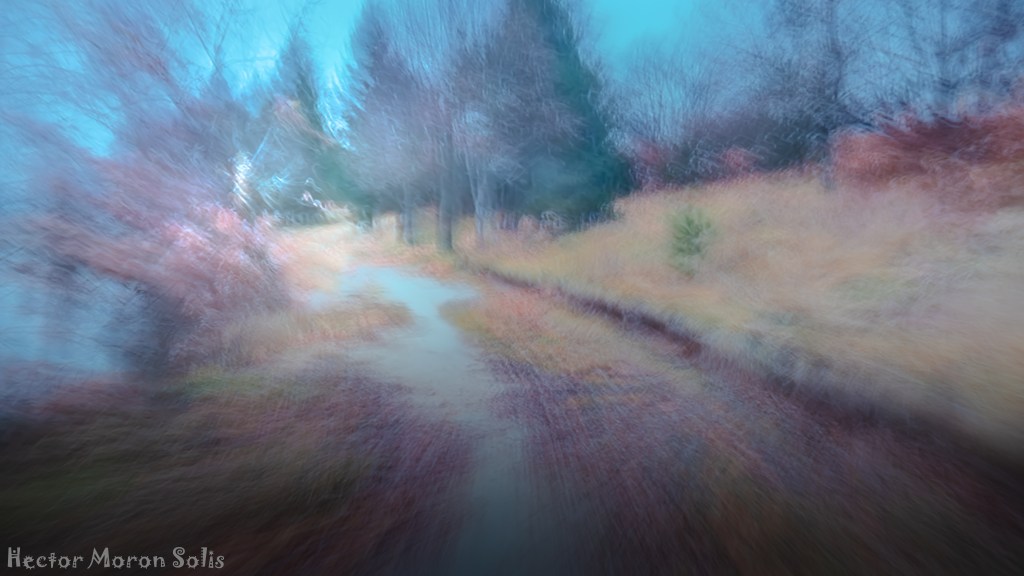
Transductive Photography reclaims the human presence inside the digital age: the artist’s hand, the trembling eye, the encounter with light as living substance. Whether approached as a continuation of abstract photography or as an experiment in post-digital poetics, this technique restores meaning to the act of exposure —not as documentation, but as revelation.
Transductive Photography: Between Digital Light and Human Gesture
Transductive Photography is the act of transforming a digital image into a new physical image through human intervention —a process where light passes from one state to another, from information to presence. Technically, it converts the luminous energy of the screen into tangible matter through long exposure and camera movement; artistically, it reclaims the human hand within the digital era; philosophically, it restores the image as an encounter rather than a code.
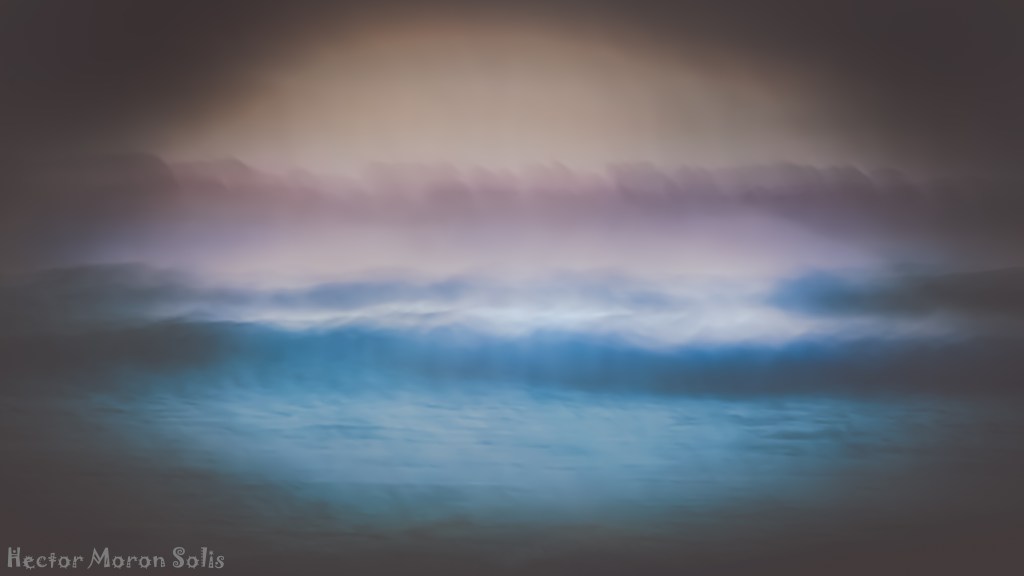
Where Hiroshi Sugimoto turns cinema into the memory of time, and Ellen Carey transforms chemical photography into pure abstraction, I translate digital motion into a living vibration of light. His method does not document but transduces —bridging two realities, the virtual and the organic, through gesture, rhythm, and duration. In doing so, Transductive Photography proposes a new understanding of abstraction: not as escape from the world, but as the re-embodiment of light through human consciousness.
FAQ — Understanding Transductive Photography
What is Transductive Photography?
It is a contemporary abstract technique that transforms the luminous flux of digital screens into a new physical image through long exposure and human gesture.
Is it part of ICM?
It inherits long-exposure lineage but stands apart conceptually: it does not move the camera through the world, but through digital light itself —a post-digital evolution of abstract photography.
Why is it different from photographing a screen?
Because the result is not a reproduction of a frame but an energetic event —a performative translation of motion into matter, unrepeatable and physical.
Who created this technique?
Spanish abstract photographer Héctor Morón, who defined it in 2025 as a new conceptual approach within contemporary abstraction.

Leave a comment